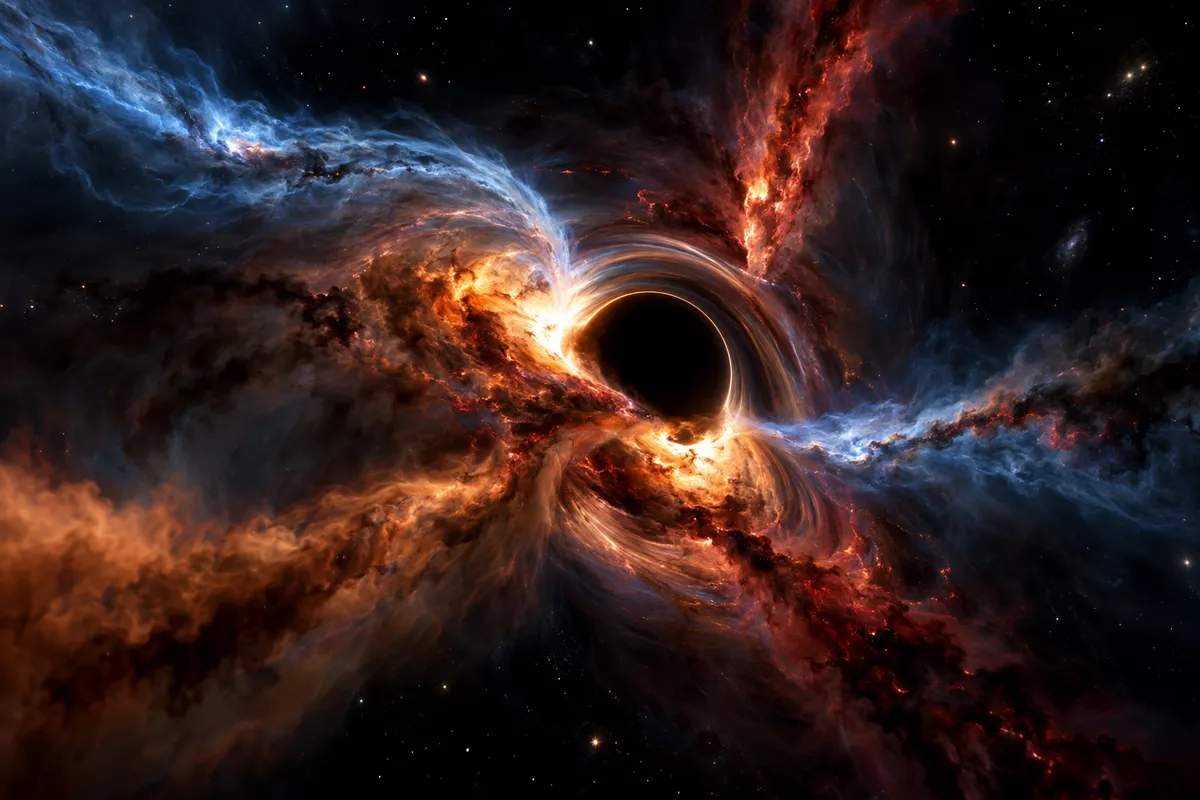
How Messy Feeding Helped Early Black Holes Grow So Fast
A new study says early giant black holes may have grown fast by eating chaotically, which keeps them spinning slowly and wasting less matter as light.

A new study says early giant black holes may have grown fast by eating chaotically, which keeps them spinning slowly and wasting less matter as light.
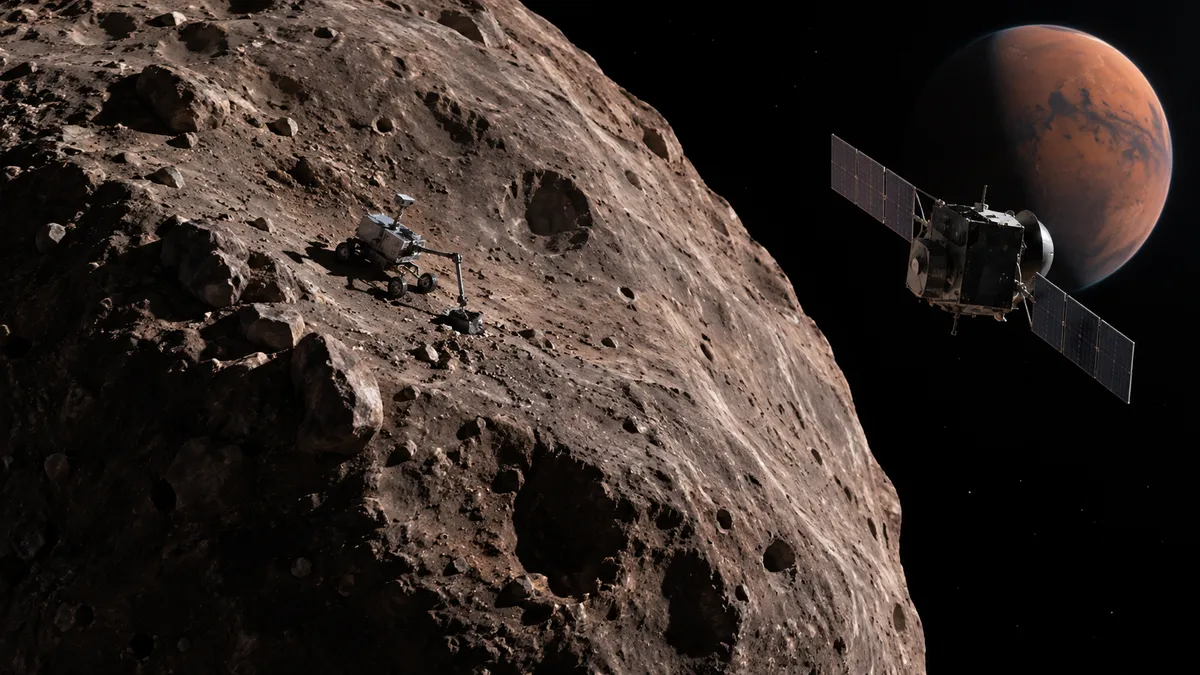
Japan has launched MMX, a five-year mission to land a rover on Phobos and return samples by 2031. Here's why a tiny, lumpy moon could answer big Mars questions.
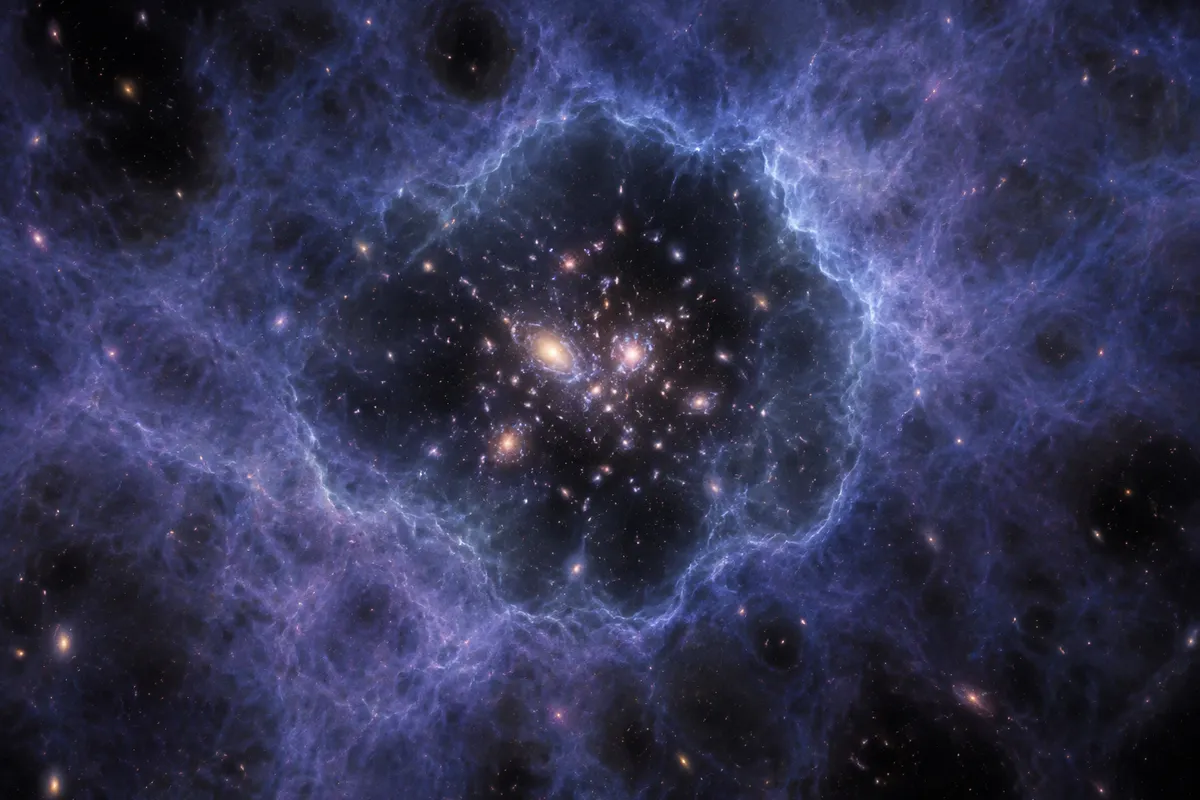
JWST data suggests a dense group of 18 galaxies may have carved a bubble in the early universe. Here's what reionization means and why this clue matters.
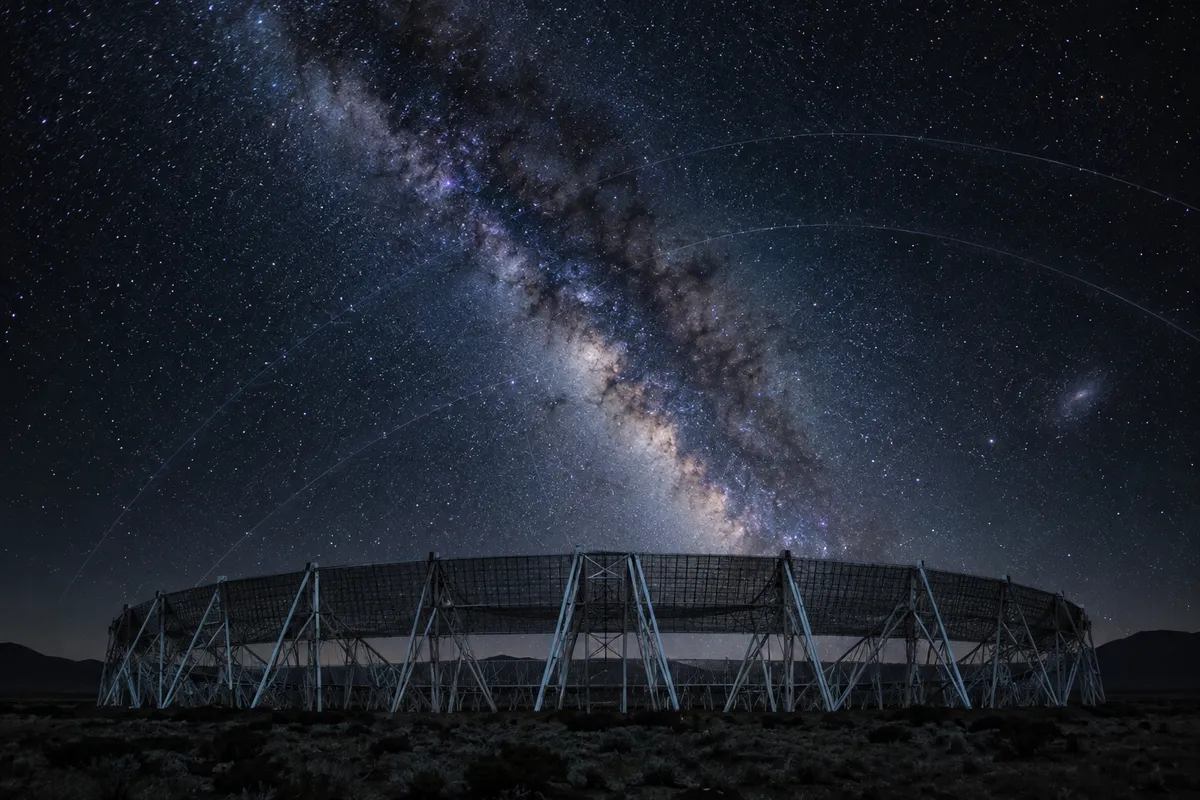
CHIME has detected the faint glow of ancient hydrogen using only its own data. Here's what that means for mapping the universe and testing dark energy.
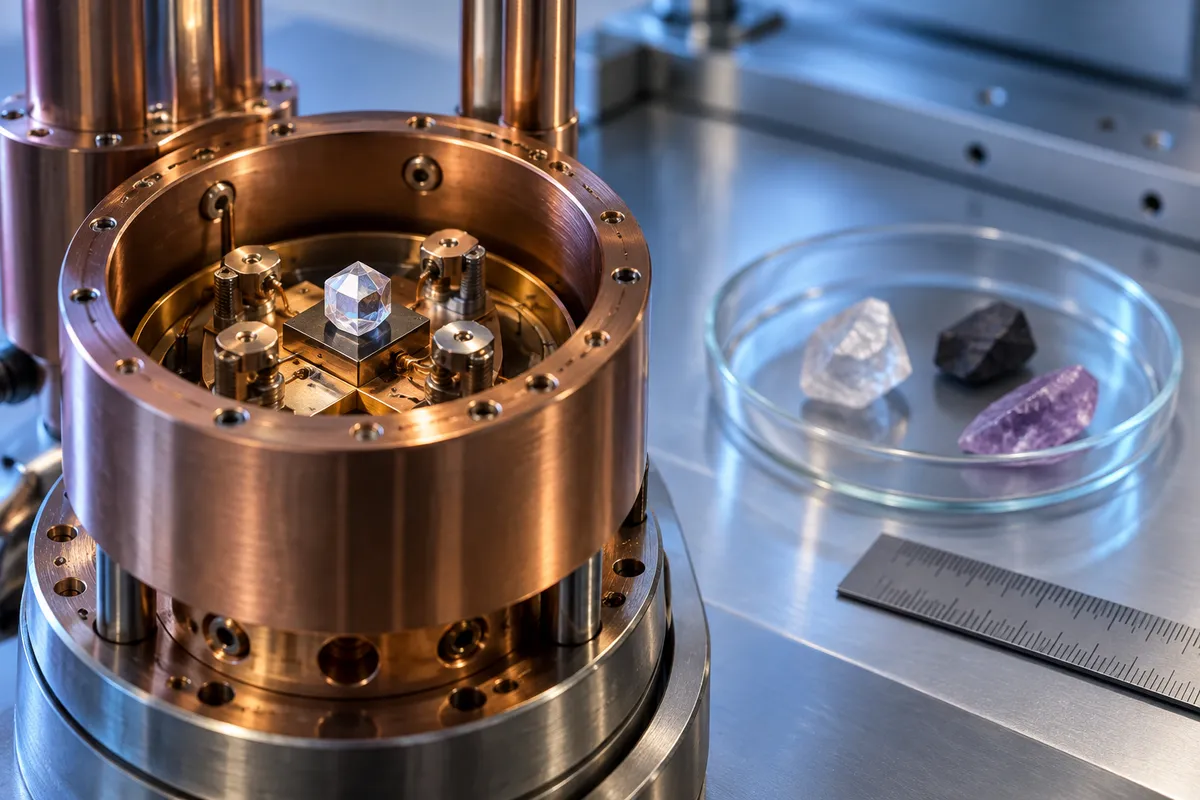
Physicists report three unconventional quantum materials could amplify faint dark matter signals. Here is how the idea works and why detector design now...
A new study suggests quantum interactions in the early universe may have locked cosmic fields in place. Here's the false vacuum worry, and why it may not...