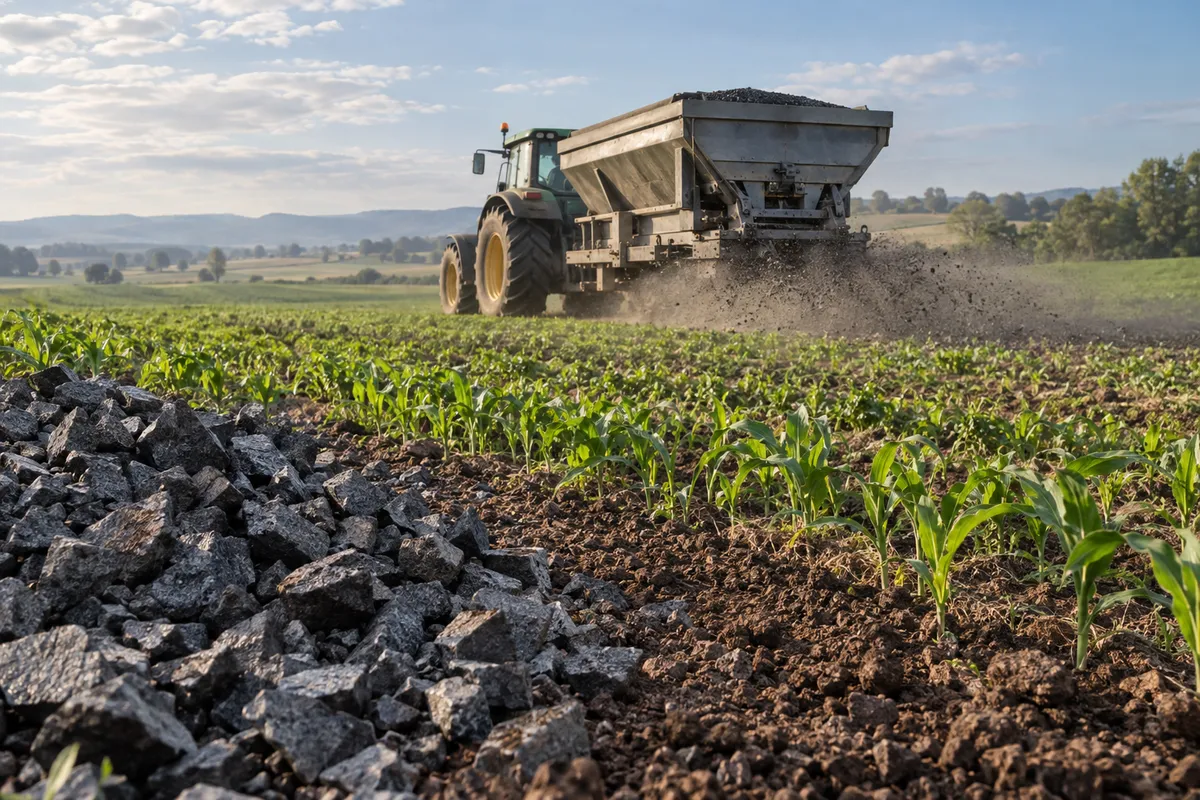
How Crushed Rock on Farmland Could Pull CO₂ From the Air
Enhanced rock weathering spreads crushed basalt on farmland to speed up natural carbon capture. Here's how it works and what scientists still need to prove.

Enhanced rock weathering spreads crushed basalt on farmland to speed up natural carbon capture. Here's how it works and what scientists still need to prove.
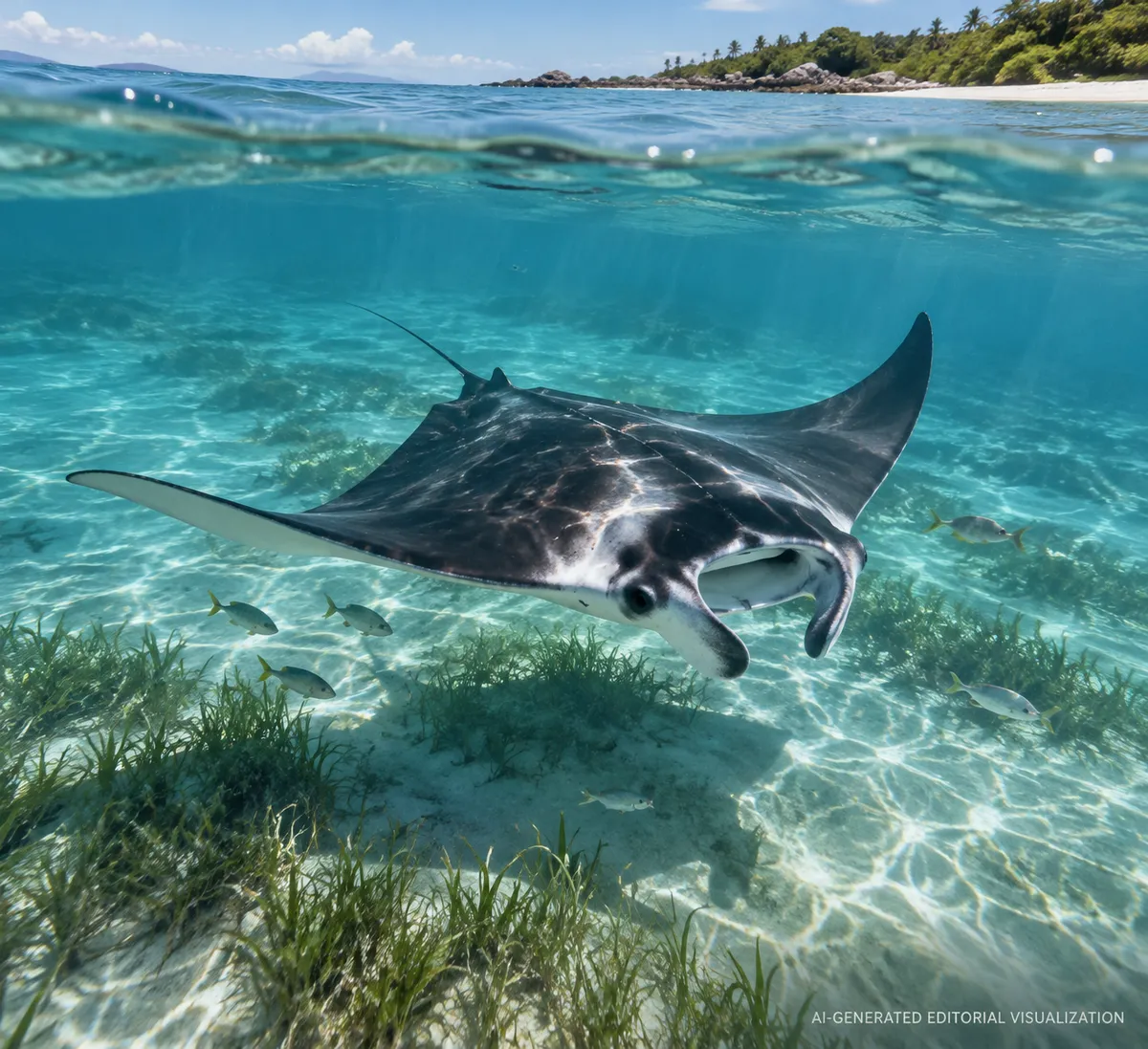
A new study tracked giant manta rays in Central America and found pups stay in shallow coastal refuges to dodge sharks and orcas. Here's what that means.
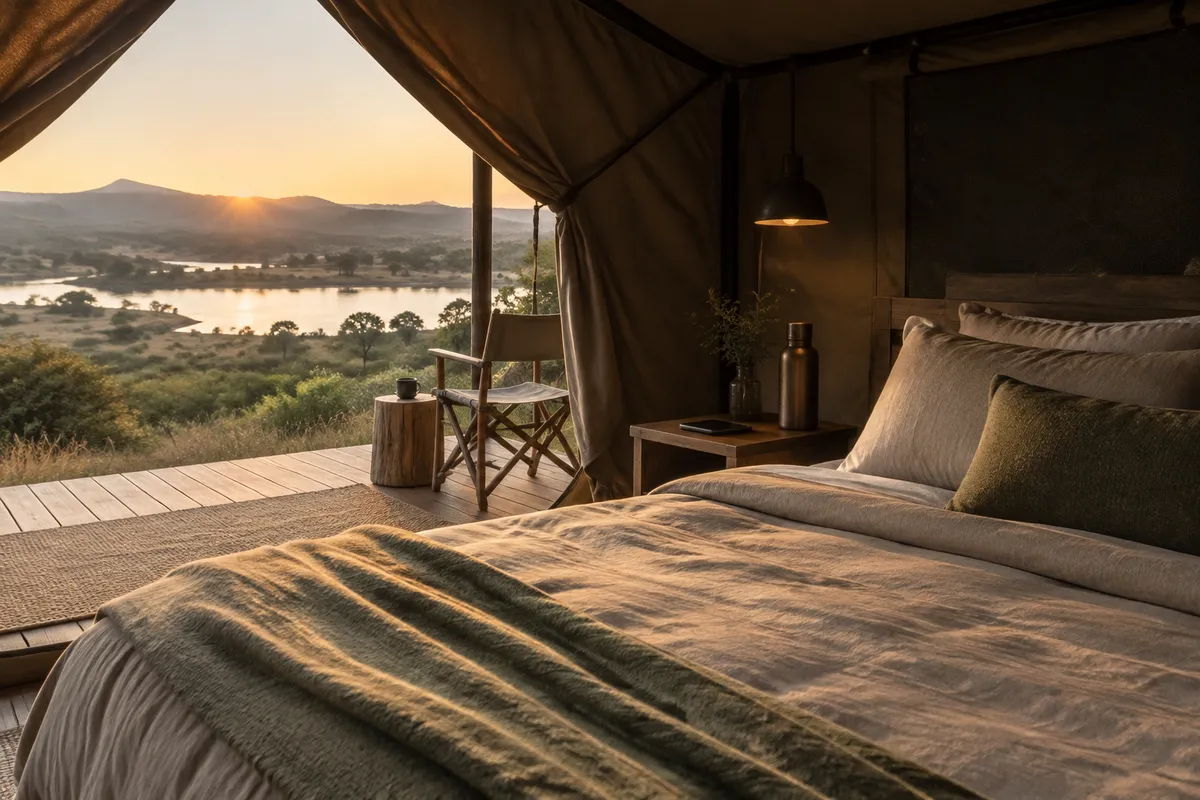
Vogue's take on tented retreats points to a simple idea: natural light, real darkness and fewer screens may help your sleep. Here's how to try it yourself.
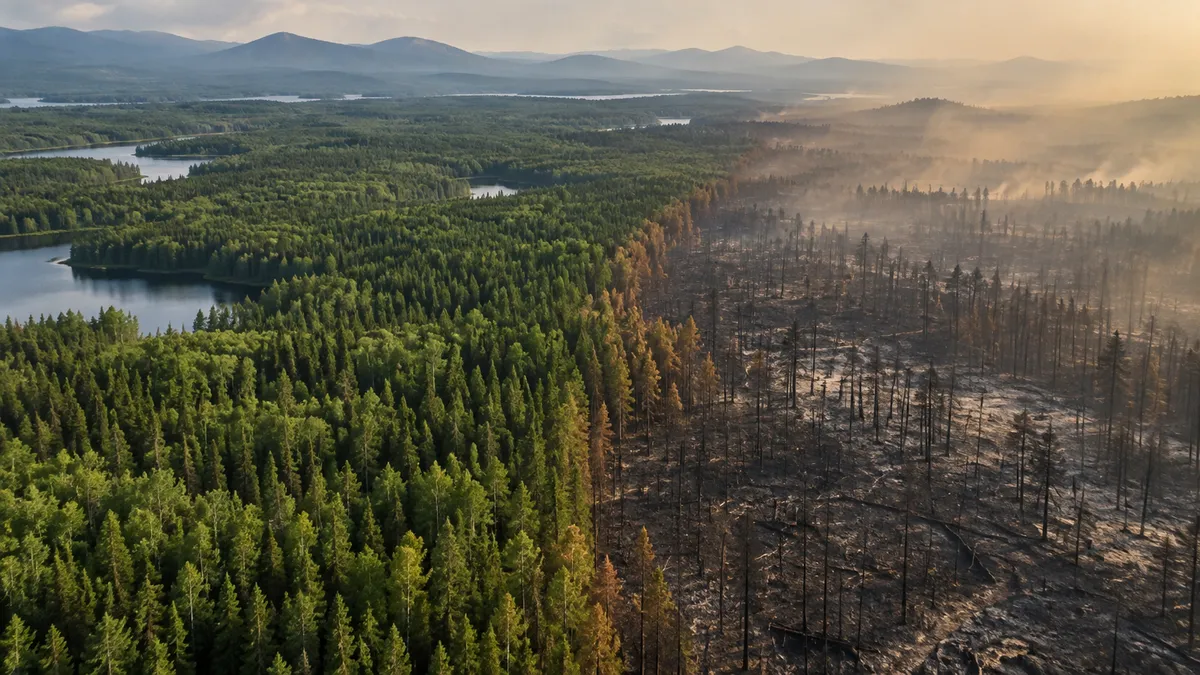
A Simon Fraser University study puts a price tag on Canadian wildfires under different warming scenarios. Here's what the $2.1 trillion figure tells you.
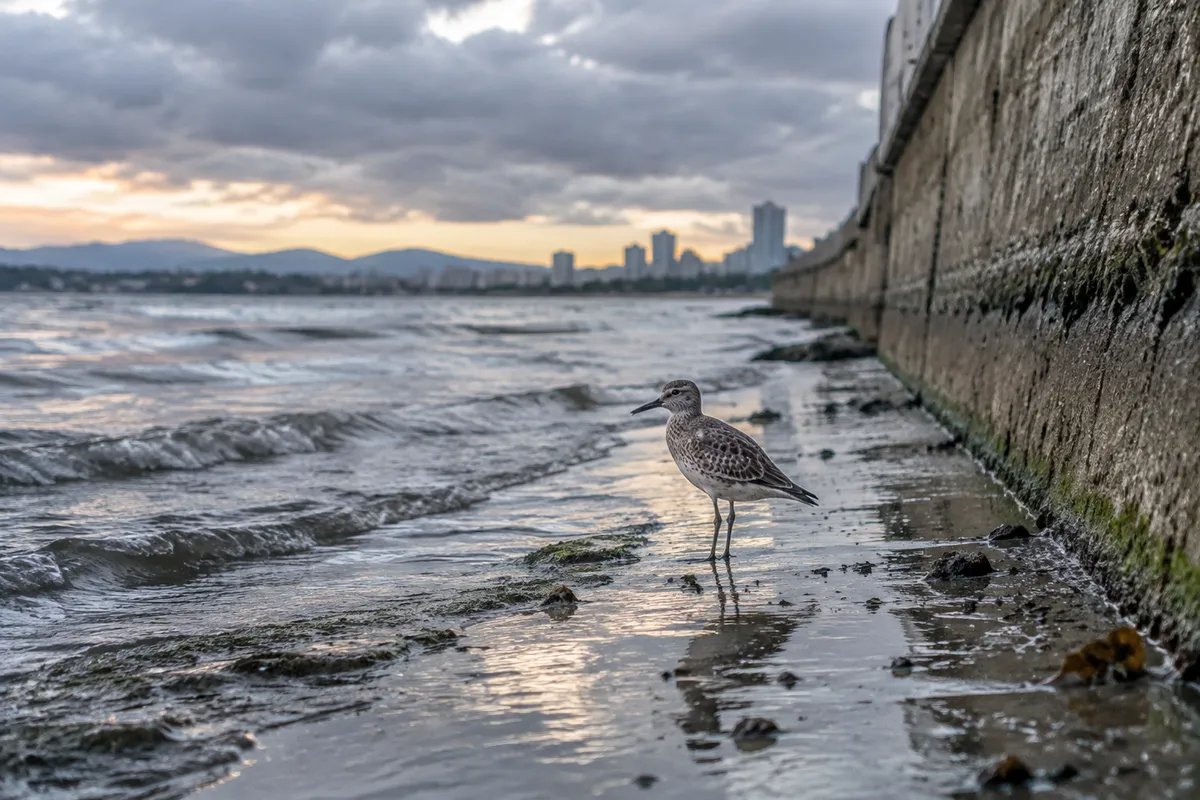
Rising seas and coastal development are squeezing the beaches and tidal flats shorebirds need. Here's what coastal squeeze means and what helps.
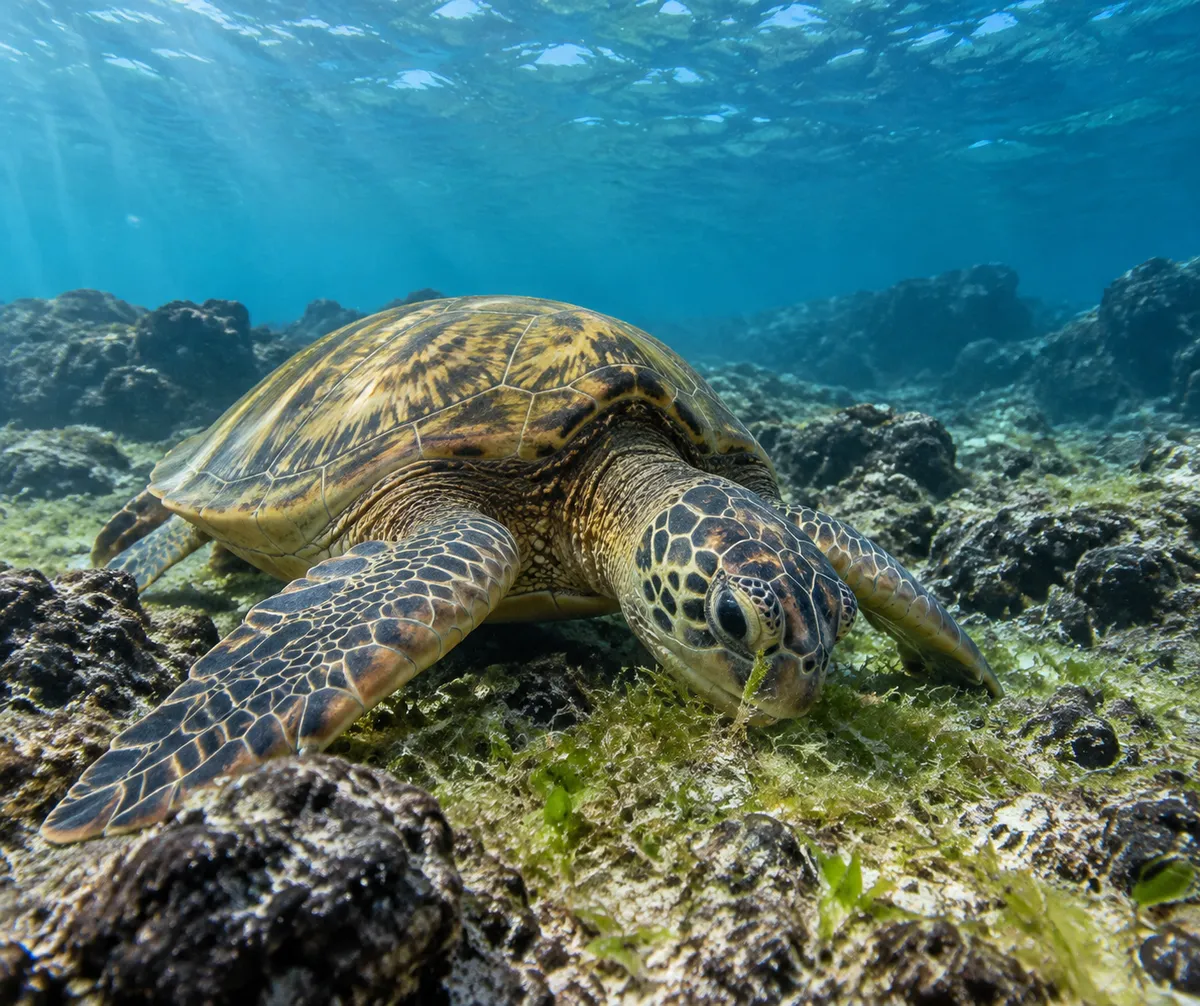
Sea turtles are famous wanderers, but tracking of yellow green turtles in the Galápagos found homebodies. Here's what that means and why local habitat matters.
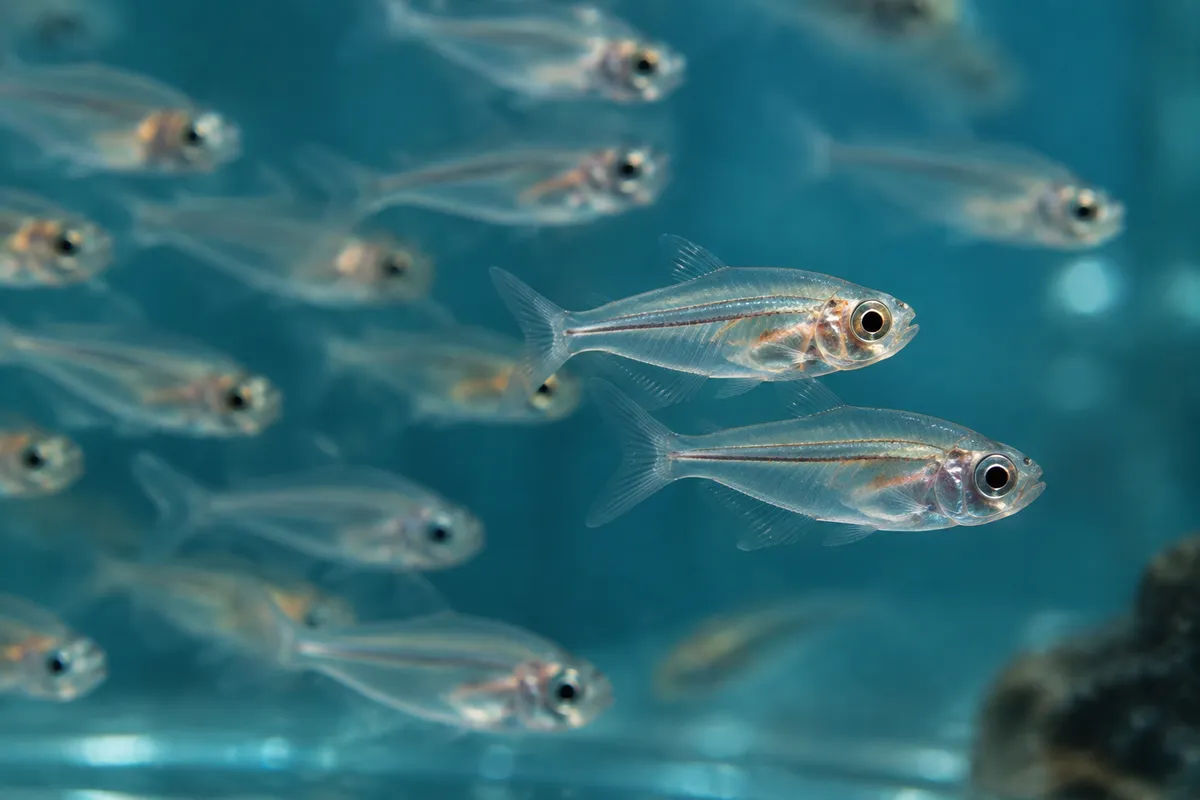
Researchers at UC San Diego used virtual reality to show glassfish sync up by copying one neighbor at a time, not by averaging the whole school.
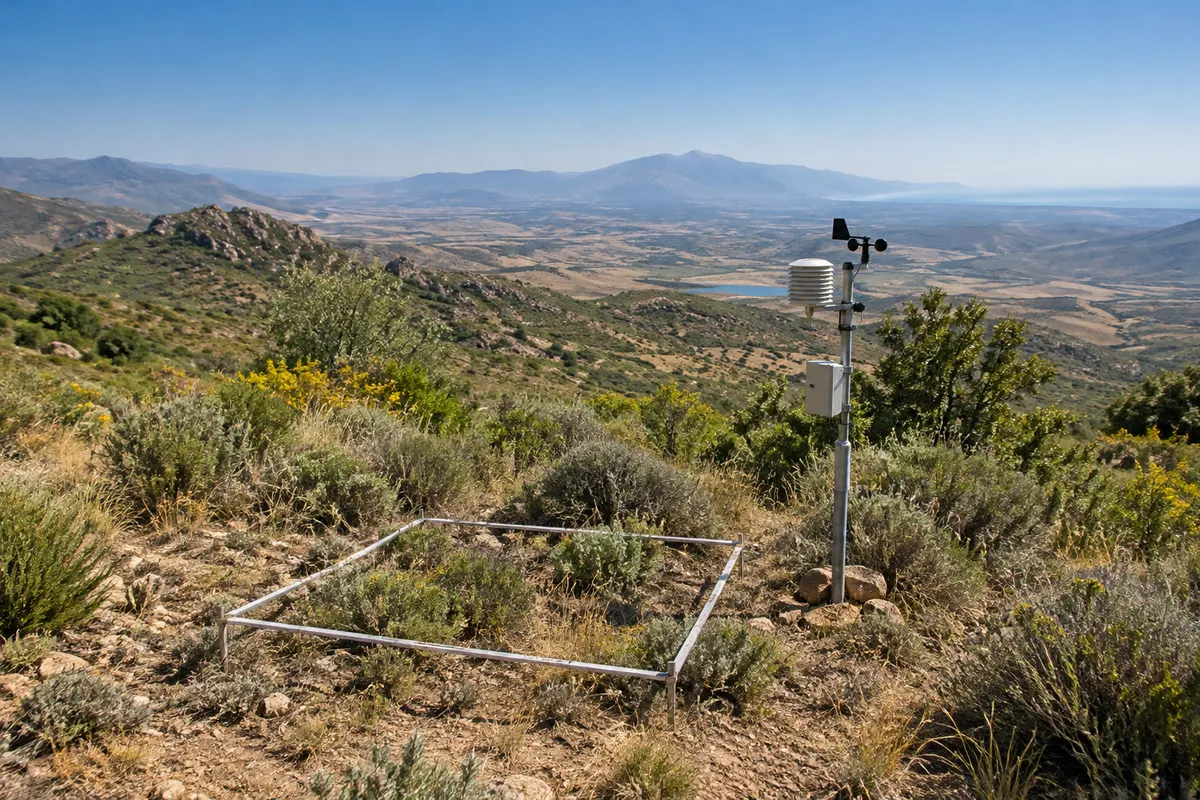
A review of 128 studies finds climate research on Mediterranean-type ecosystems is lopsided. Here's what the gaps mean and how to read climate headlines.
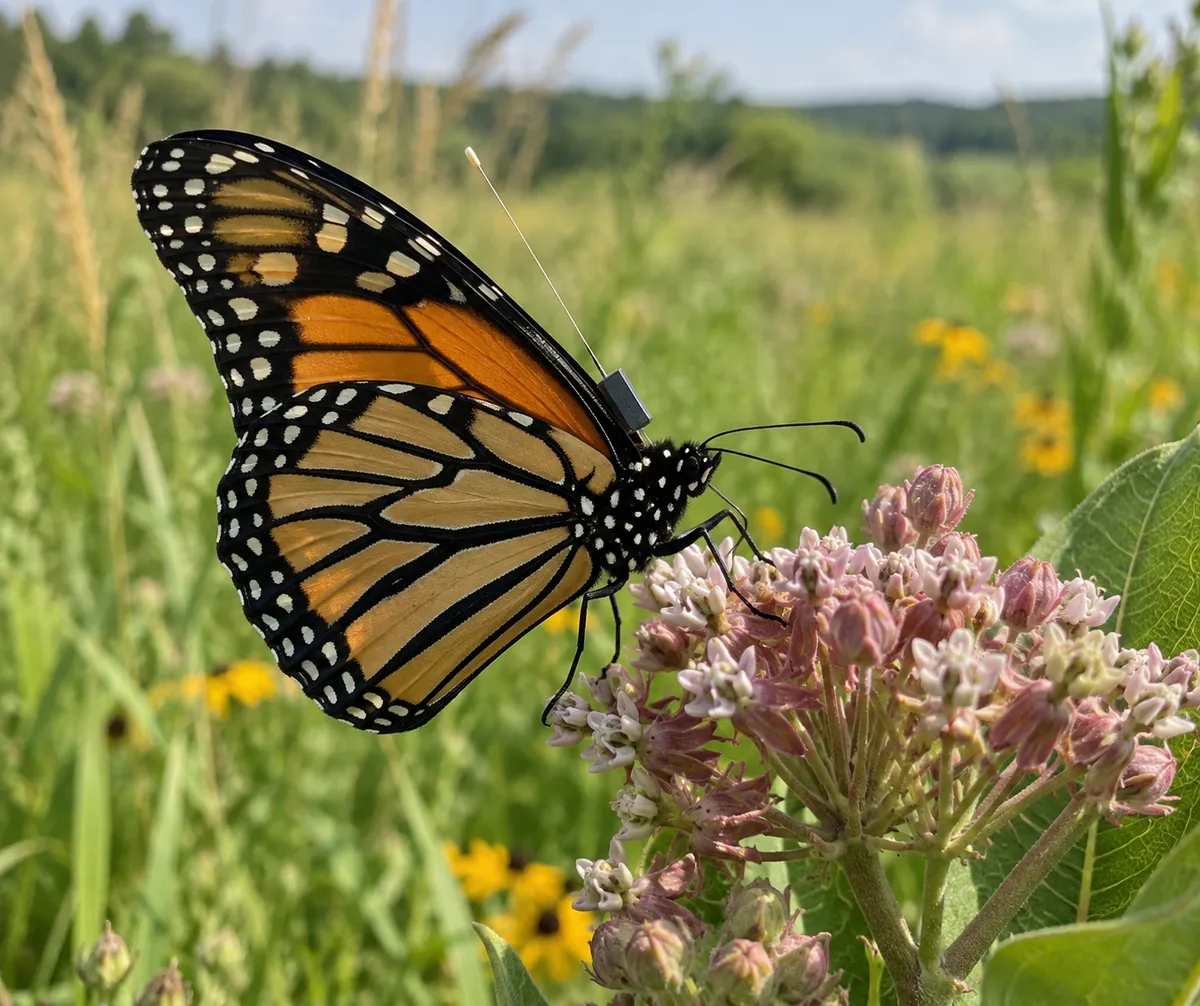
Iowa State researchers are tagging 100 monarchs with ultralight trackers to learn how weather and rearing affect migration. Here's what it means for you.
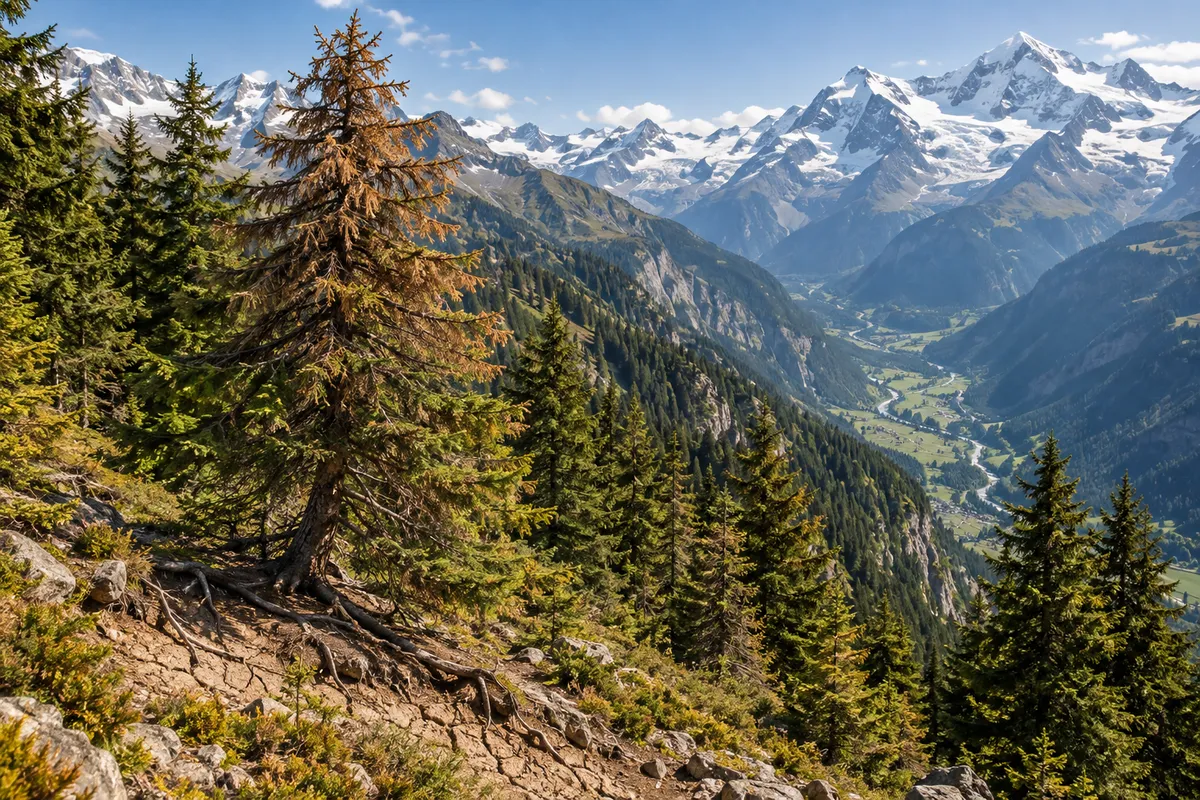
Even trees at 2,200 meters are showing drought stress, per a Swiss study. Here's why high forests were thought safe and what their decline means for valleys.
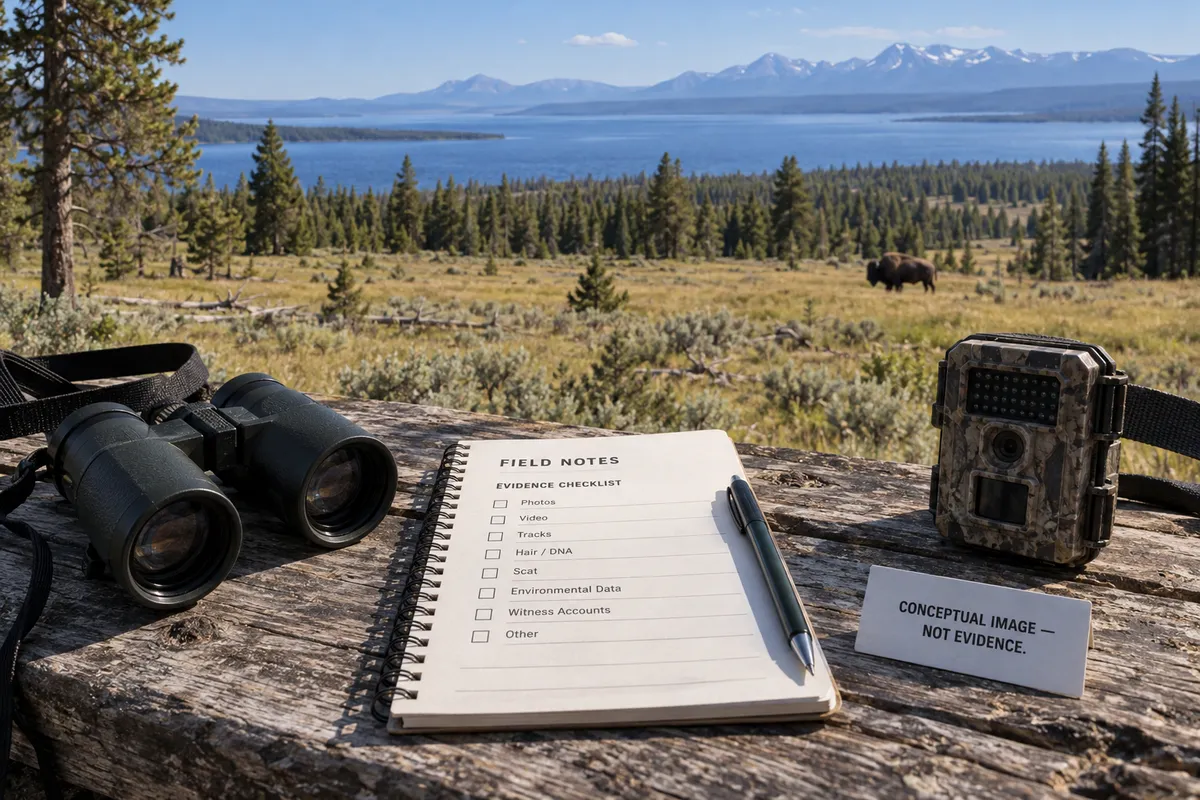
Three odd Yellowstone-area sightings, from live cam figures to a lake legend, and a simple checklist for weighing each against likelier explanations.