BuzzFeed recently rounded up 44 affordable products with retro flair, aimed at anyone who loves a throwback. Only two of them are named in the material I have: a pastel retro-inspired Tupperware set and a gorgeous oversize peacoat. I can't tell you what the other 42 are, so this piece doesn't pretend to. Instead, it uses those two picks to show you a method: how to get a vintage-chic look through a few small swaps, with no antique hunting required.
By the end, you'll have a simple way to decide where a retro piece will do the most for your home and your closet, and how to avoid overspending while you do it.
Start With Things You Already Use Daily
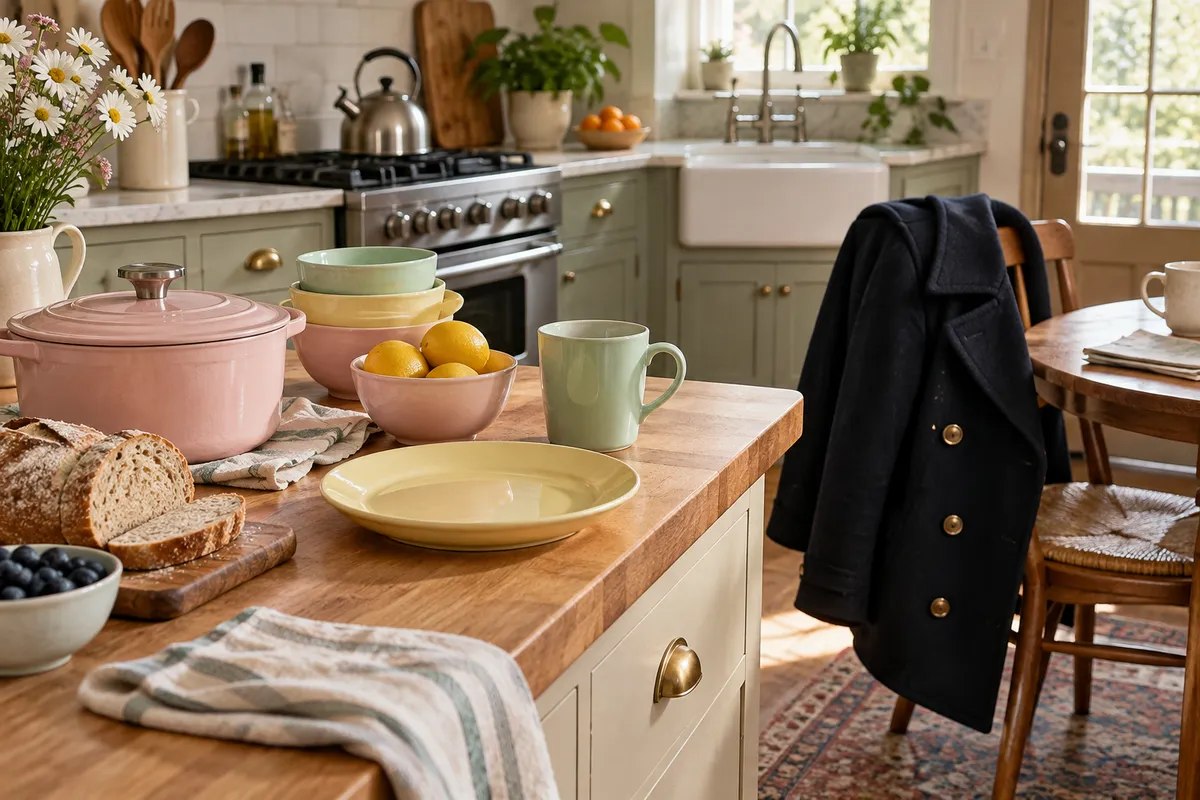
The pastel Tupperware set is a good model for the whole approach. Food storage is something you touch constantly, so a retro-styled version changes the feel of your kitchen every day. It's also practical. You aren't buying a display piece that sits on a shelf; you're replacing something you'd buy anyway.
The rule: pick the category where you need a replacement soon, then choose the throwback version. Good candidates include:
- Food storage containers
- Mugs and glasses
- Kitchen towels
- Storage baskets or canisters
This is my suggestion, not BuzzFeed's list, but the logic follows from the Tupperware pick: useful first, nostalgic second.
Use Color to Do the Retro Work
Pastels are a big part of what makes the Tupperware set read as vintage. You don't need to match an era precisely. A soft, muted palette repeated across a few items tends to look intentional.
Try this: choose two or three pastel shades and stick to them across a shelf, countertop, or pantry. Repetition is what makes a few inexpensive items look curated rather than random. If you already own plain containers in neutral colors, add one retro set and let it be the focal point instead of replacing everything.
Anchor Your Wardrobe With One Classic Coat
The other named pick, an oversize peacoat, shows how the same idea works in fashion. Outerwear is the most visible layer of an outfit, so a single classic piece shapes how everything beneath it looks. A coat with a traditional cut can make plain jeans and a sweater feel deliberately vintage.
A few practical checks before you buy a coat like this:
- Try it over a chunky sweater. An oversize cut should still leave room for layers.
- Check the sleeve length with your arms raised and lowered.
- Look at the fabric and lining for warmth, since that's what you'll rely on in cold months.
- Think about three outfits you could wear it with. If you can't, keep looking.
Keep the Budget in Check
BuzzFeed's roundup is built around affordability, and that's the real advantage of vintage-inspired items over true antiques. You get the look without the hunt, the haggling, or the condition concerns. Still, cheap pieces add up quickly when everything is tempting.
Set a cap before you browse: a fixed number for the whole refresh, not per item. Then rank what you want by how often you'd use it. A coat you'll wear every week beats five decorative extras.
Mix Retro With Modern So It Doesn't Feel Like a Costume
The goal is a space or outfit that feels personal, not themed. A sensible ratio is mostly current pieces with a few throwback accents. One pastel kitchen set among modern appliances looks charming. A kitchen where every item is retro starts to look like a set.
The same holds for clothing. Pair a classic coat with simple, current basics and let it be the single statement.
Why Nostalgic Pieces Keep Selling
Per the source's framing, retro aesthetics are still driving home, fashion, and lifestyle trends, as shoppers look for pieces that feel cozy, personal, and budget-friendly. That fits with what throwback items offer: familiarity and comfort at a modest price. It's my read, not a measured finding, but it explains why a plastic food container and a wool-style coat can sit in the same roundup.
Where to Find the Full List
If you want all 44 picks, BuzzFeed's original post has them. Browse it with the approach above: skip anything you won't use, and note which categories repeat. Prices and availability can change, so check current listings before you decide.
Pick one item you use every day, swap it for a retro version, and see whether it changes how your space feels before you buy a second.