Amazon's new "About You" page is getting attention for a simple reason: it shows shoppers the personal assumptions the company makes about them. By the end of this article, you'll understand how ordinary shopping behavior becomes a profile, why seeing it feels so strange, and how to approach your own page with a clear head.
What happened
Fox News reported on the backlash to Amazon's new "About You" page, which surfaces highly personal assumptions the retailer draws from user data. The panel on Fox's "Outnumbered," including Kat Timpf, Adam Carolla, Harris Faulkner, Kayleigh McEnany and Kennedy, discussed how the retail giant tracks user data to make those assumptions, and why the result strikes many people as creepy.
The coverage centers on privacy concerns and the unease of platforms turning shopping behavior into detailed personal profiles. I can only point to what Fox reported here. The specific categories and wording on the page aren't detailed in that coverage, so you'll want to look at your own page rather than rely on secondhand descriptions.
Why a profile page feels different from a recommendation
You already live with personalization. A "customers also bought" row or a suggested reorder barely registers. It looks like a service.
A page that states what the company thinks about you is different. The tracking itself may not have changed, but it is now visible. A hidden backend feature becomes something you can read, like a file with your name on it. That shift from invisible to visible is likely a big part of the reaction.
This is my read, not a reported finding: people tolerate data collection more easily when its output is vague. When it's specific and personal, it starts to feel like being watched.
How shopping data becomes a personal profile
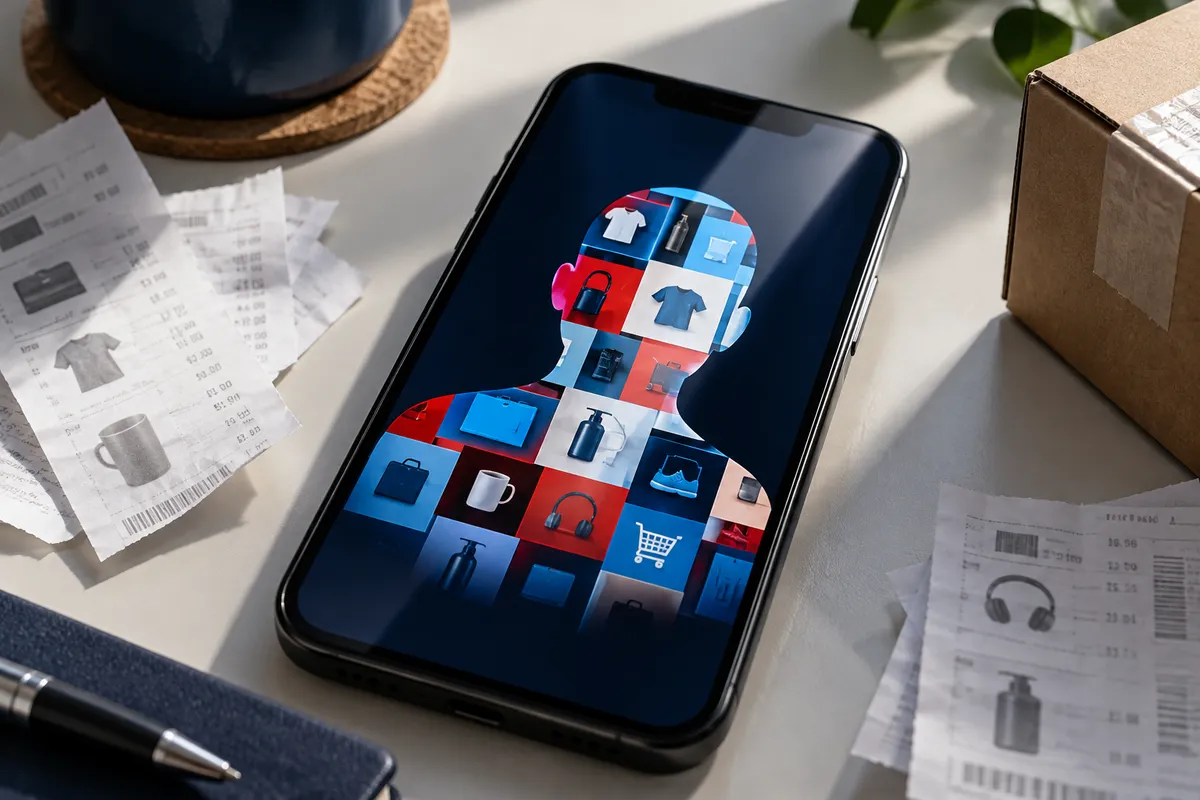
Every click, search, purchase and wish-list addition is a small data point. One point means little. Hundreds of them, over years, form patterns that a system can turn into assumptions about your habits, interests and circumstances.
The key word is assumptions. Per Fox's coverage, the page shows what Amazon infers, not necessarily facts you gave it. That distinction matters in two ways:
- Inferences can be wrong. A gift for a relative or a one-off curiosity purchase can skew what a system thinks about you.
- Inferences can still feel accurate enough to be unsettling. Being right about something you never told anyone is what makes people uneasy.
How to check your own page
Treat this as a small experiment. Look at your page the way you'd review a credit report: calmly, with a skeptical eye.
- Open your Amazon account and look for the "About You" page. Menu names can change, so use the account search if you don't see it right away.
- Read each assumption and sort it. Mentally label each one as accurate, wrong, or based on someone else's purchase.
- Ask where it came from. Trace it back to something you bought or searched. Most inferences have an obvious source once you think about it.
- Note what surprises you. The gap between what you expected and what you see tells you how much you were aware of the tracking.
Creepy or convenient?
Personalization is a real tradeoff, and it helps to name both sides.
The convenience side: faster searches, relevant suggestions, easier reordering, fewer irrelevant results.
The creepy side: the same data powers conclusions you didn't knowingly offer, and you may have little say over how they're used.
Neither side is imaginary. The useful question is not "is this good or bad?" but "am I comfortable with this level of convenience for this level of exposure?" Your answer may differ for groceries and for anything more personal.
Practical steps after you look
Fox's coverage focuses on the reaction rather than a settings walkthrough, so I won't claim specific toggles exist or where they live. These habits work on any shopping platform, though:
- Review your privacy and personalization settings in your account and adjust anything you're not comfortable with. Look for options covering browsing history, ad preferences and data sharing.
- Clear or manage browsing and search history if you'd rather the platform not build on it.
- Separate sensitive shopping. Consider buying personal or sensitive items through a different account or a different store.
- Watch shared accounts. A household member's purchases can shape what your profile says about you.
- Recheck periodically. Settings and features change, so a quick review every few months keeps you informed.
Why this conversation will keep going
Fox's piece frames this as part of growing consumer anxiety about data tracking, as major tech and retail platforms make personalization more visible. When a feature goes viral, it can turn a quiet backend practice into a wider debate about surveillance, consent and convenience.
The lasting lesson isn't specific to one company. Any platform that sells to you learns from you. Seeing the result is uncomfortable, but it's also useful: it tells you what your habits look like from the outside.
So take ten minutes, open your page, and decide for yourself what you're comfortable with. Then adjust your settings to match.