When you ask an AI system a question, the answer feels like it arrives from nowhere. It doesn't. It comes from a building somewhere, full of chips that need power and cooling, and that building has to sit on land that belongs to a real town. By the end of this piece, you'll know why those buildings spark distrust and what questions to ask when one is proposed near you.
The story: a mayor, a muddy site, and Anthropic
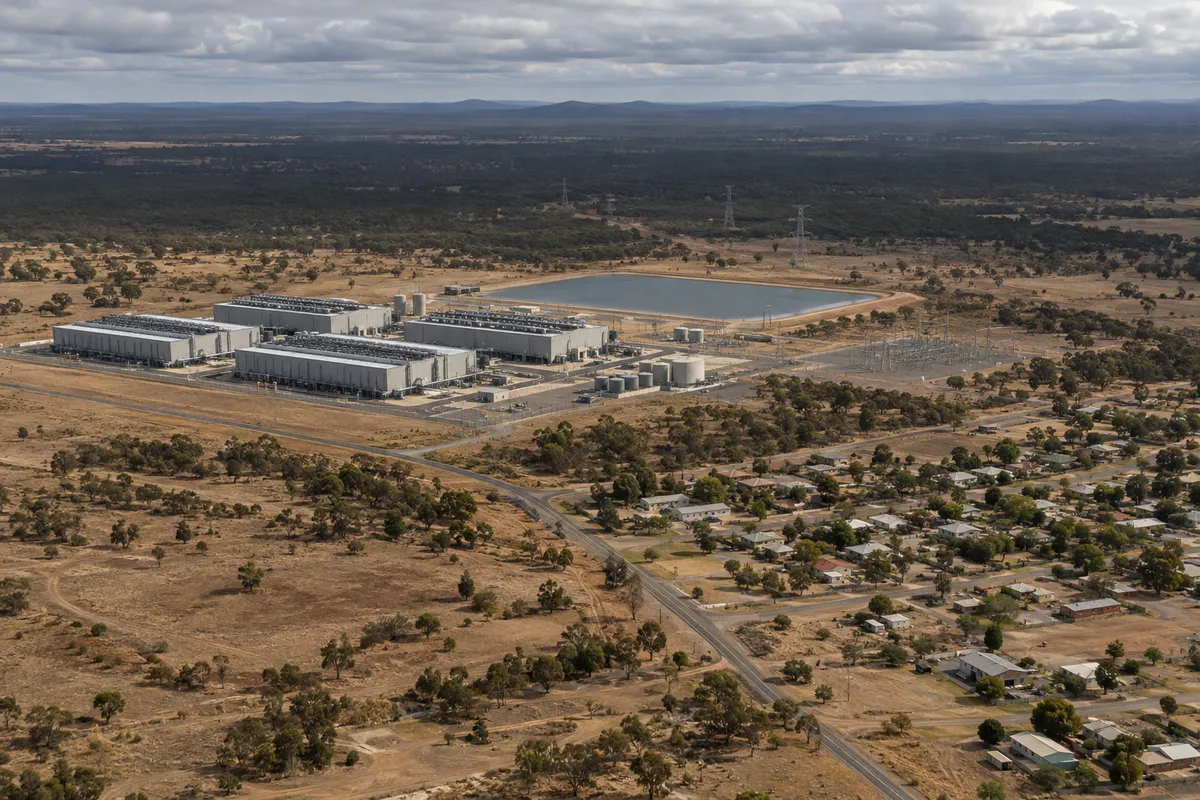
CNN reports that Anthropic is eyeing its first AI data center in Australia. CNN's story opens with the first rainfall in months splashing off a windshield as the local mayor drives to the site of what could become that facility.
Per CNN, the project is already running into local distrust. The concerns center on land use, infrastructure, and the wider effects of AI expansion. CNN frames the debut as a test of whether Big Tech can win community trust while building facilities that use a lot of energy and water.
This article draws only on that reporting, so it doesn't cover specifics such as the site's exact location, size, or timeline. What it can do is use the story as a lens.
AI has a physical footprint
Much of the AI conversation is about software: models, chatbots, apps. The CNN story is a reminder that all of it depends on hardware in specific places.
That shifts the question from "what can this technology do?" to "what does it take to run it, and who lives next door?" A data center is a neighbor, not an abstraction.
Why data centers breed distrust
The reporting points to three pressure points. Each is a reasonable thing for a community to worry about.
Land use
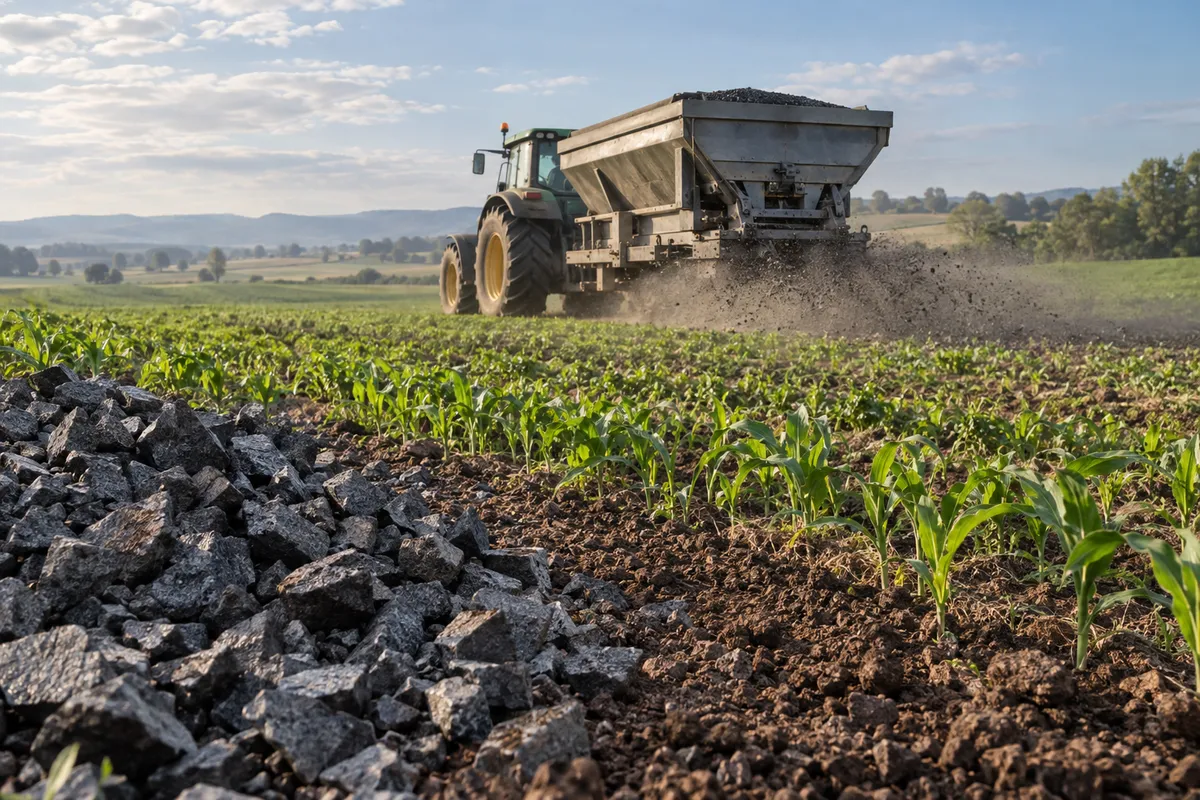
A large facility takes up space that could have gone to farms, housing, or open land. Residents naturally ask who decided, and whether they had a say.
Infrastructure
These sites need reliable power and other services. Locals tend to wonder whether the grid, roads, and utilities will be stretched, and who pays for upgrades.
Water and energy
CNN notes that AI facilities are energy- and water-intensive. That lands differently in a place where rain is scarce. The mayor's drive in the first rain in months is a vivid detail: in a dry region, water is never a side issue.
Why Australia is a telling test
CNN's framing highlights Australia's climate pressures, water concerns, and regional development politics. That mix makes it a useful flashpoint. Regional towns often welcome investment, but they also want proof that benefits stay local.
It's also part of a bigger pattern. AI companies are racing to build capacity around the world, and communities are weighing what they gain against what they give up. Our read: how this Australian project goes could shape how similar proposals are received elsewhere, though that is analysis, not something CNN states.
The gap between branding and on-the-ground impact
AI products are marketed with words like "intelligence" and "cloud," which suggest something weightless. Trust erodes when the marketing feels far from the lived reality of a new industrial site. It's hard not to see the distrust CNN describes as partly a result of that gap.
Questions to ask about any local data center proposal
If a project like this is proposed near you, these are practical places to start:
- How much water will it use, and where will it come from? Ask for numbers, and whether they cover peak demand or dry periods.
- How much power will it draw, and who pays for grid upgrades? Find out whether costs fall on the company or on local ratepayers.
- What land is being used, and what was it used for before?
- What does the community get? Jobs, tax revenue, or infrastructure are common promises. Ask how many are permanent and what is committed in writing.
- When can residents weigh in? Find out where public consultation happens and what the deadlines are.
What to take from this
The next time you use an AI tool, remember it runs somewhere real. When a data center is proposed in your area, ask for the water, power, land, and local-benefit numbers in writing before you decide whether to trust the pitch.