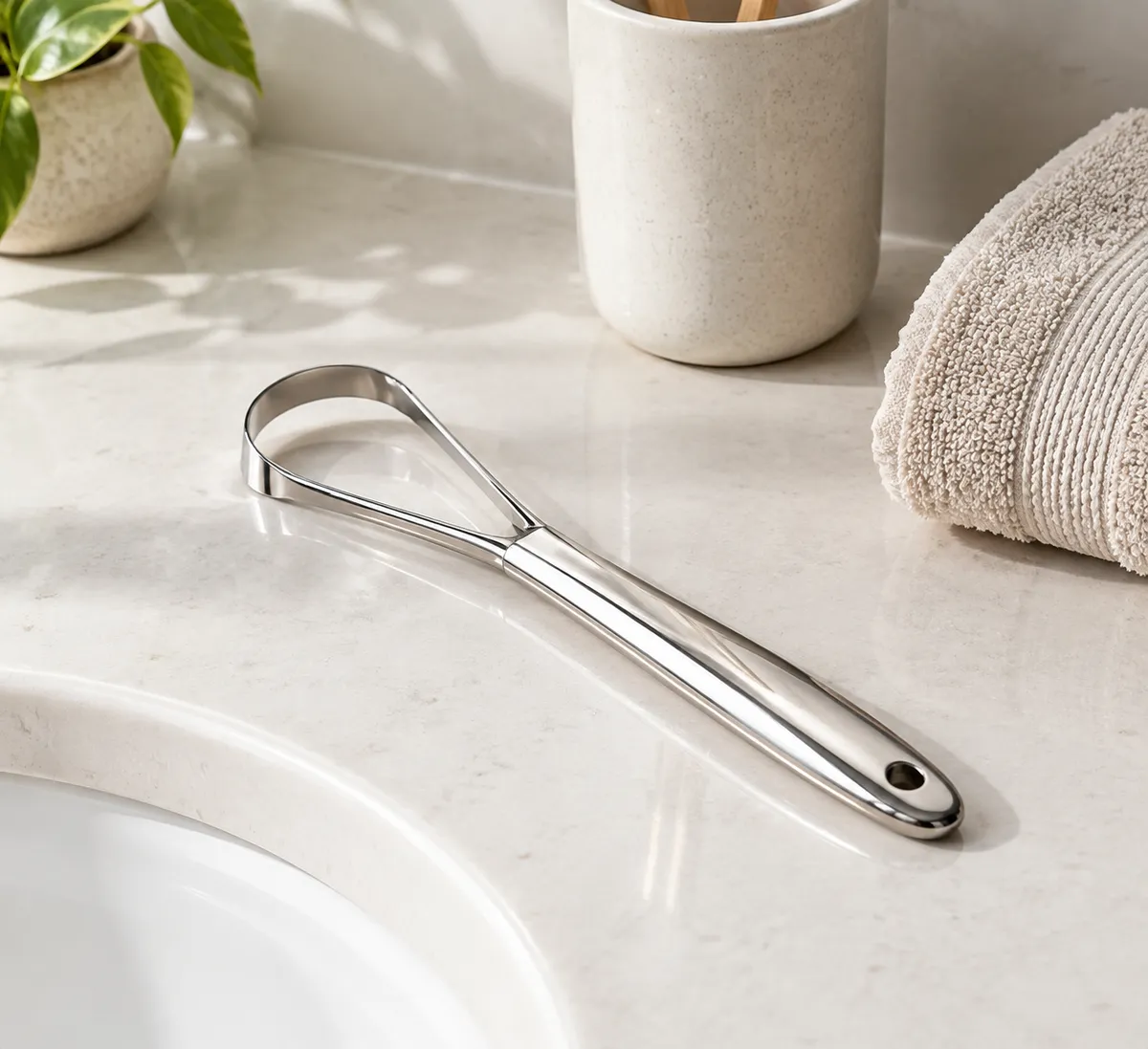
BuzzFeed recently rounded up 36 products it calls unfancy but effective, and the one leading the list is about as unglamorous as it gets: a stainless-steel tongue scraper. The pitch, per BuzzFeed, is simple. It "does impressive work." You won't get a full catalog of the other 35 here, because only the headliner is spelled out in the material available. What you can get is a useful way to think about why plain tools like this earn their spot, and how to find your own.
What BuzzFeed's list is really about
The roundup collects everyday items that solve small annoyances without a big splurge. The framing is "things that aren't fancy, but just plain work." There are no smart features, subscriptions, or hype. The tongue scraper is the example BuzzFeed puts front and center.
That choice is telling. A tongue scraper has one job, one moving part (your hand), and a result you can see right away. That combination is what makes a boring product feel worth it.
Why a tongue scraper makes a good case study
The item is a stainless-steel scraper, according to BuzzFeed. Without leaning on claims the source doesn't make, here is what its design suggests about why people like this kind of product:
- Single purpose. Nothing to charge, pair, or replace.
- Immediate feedback. You see what the tool did, which makes the payoff obvious.
- Low cost of trying. It's a small purchase, so being wrong costs little.
That is my analysis, not BuzzFeed's, but it's a decent checklist for any plain-but-effective buy.
A quick test for any "boring but works" product
Use these questions before you click buy on something that promises to make daily life easier.
Does it fix one specific annoyance?
Products that try to do everything usually do nothing especially well. Name the exact irritation first. If you can't, skip it.
Can you tell it worked?
The best everyday upgrades give you proof within a day or two. If you can't tell whether it's helping, you'll never know whether it was worth the money.
Is the material simple and durable?
BuzzFeed highlights stainless steel for the scraper. As a general rule, a solid single-material tool tends to be easier to clean and keep than a gadget with parts that wear out. Check the product's own care instructions for how to clean it.
Would you be fine if it cost twice as much?
If a small tool still feels worthwhile at double the price, it's solving a real problem. If it only makes sense at a bargain price, it's probably a impulse buy.
Try it like a small experiment
Since this is a site about curiosity, treat a new cheap tool like a mini lab test:
- Write down the annoyance you want to fix.
- Use the product consistently for one to two weeks.
- Note what changed, even if it's just "I stopped thinking about it."
- Keep it if it earned its place. Pass it on if it didn't.
For a tongue scraper in particular, check the maker's directions for use and cleaning, and talk to a dentist if you have a concern about your mouth rather than relying on a shopping list.
Why low-hype products keep winning
Lists like BuzzFeed's tap into a steady appetite for small upgrades, practical fixes that make routines a little smoother without a major splurge. There's something satisfying about a tool that doesn't need an app or an explanation. It's also a reminder that the most useful item in your home may be the least exciting one.
The takeaway
Pick one small, daily annoyance this week, find the plainest tool built to fix it, and judge it by results rather than buzz. If a stainless-steel tongue scraper can top a list of 36, your own overlooked winner is probably hiding in a drawer or a cart you haven't opened yet.