BuzzFeed Shopping recently rounded up 26 products for people convinced they have run out of storage space. The item list isn't something we can reproduce here, so this piece doesn't pretend to cover those 26 picks. What we can lean on is the roundup's one-line pitch: "Believe it or not, shoes don't have to be on the floor."
That line holds a useful idea. Most homes don't lack space so much as lack used space. By the end of this article, you'll have a simple way to audit any cluttered zone and find room you didn't know you had.
Start With the Floor, Because That's Where Clutter Collects
The BuzzFeed description points at shoes, and shoes are a good example. When they pile up by the door or at the bottom of a closet, they eat floor area, which is the most valuable and most visible space in a small home.
Try this: stand in the room and list everything currently sitting on the floor that isn't furniture. Shoes, bags, boxes, laundry baskets. Each item is a candidate to move onto a wall, a door, or a shelf. Getting things off the floor tends to make a room feel larger, even before you remove a single object.
Use a Three-Level Scan
When you feel out of room, check three levels in order.
Low: under and beneath
Look under beds, sofas and sinks. Anything you can slide out of sight, such as off-season clothes or spare linens, belongs here, ideally in containers that fit the gap.
Middle: walls and doors
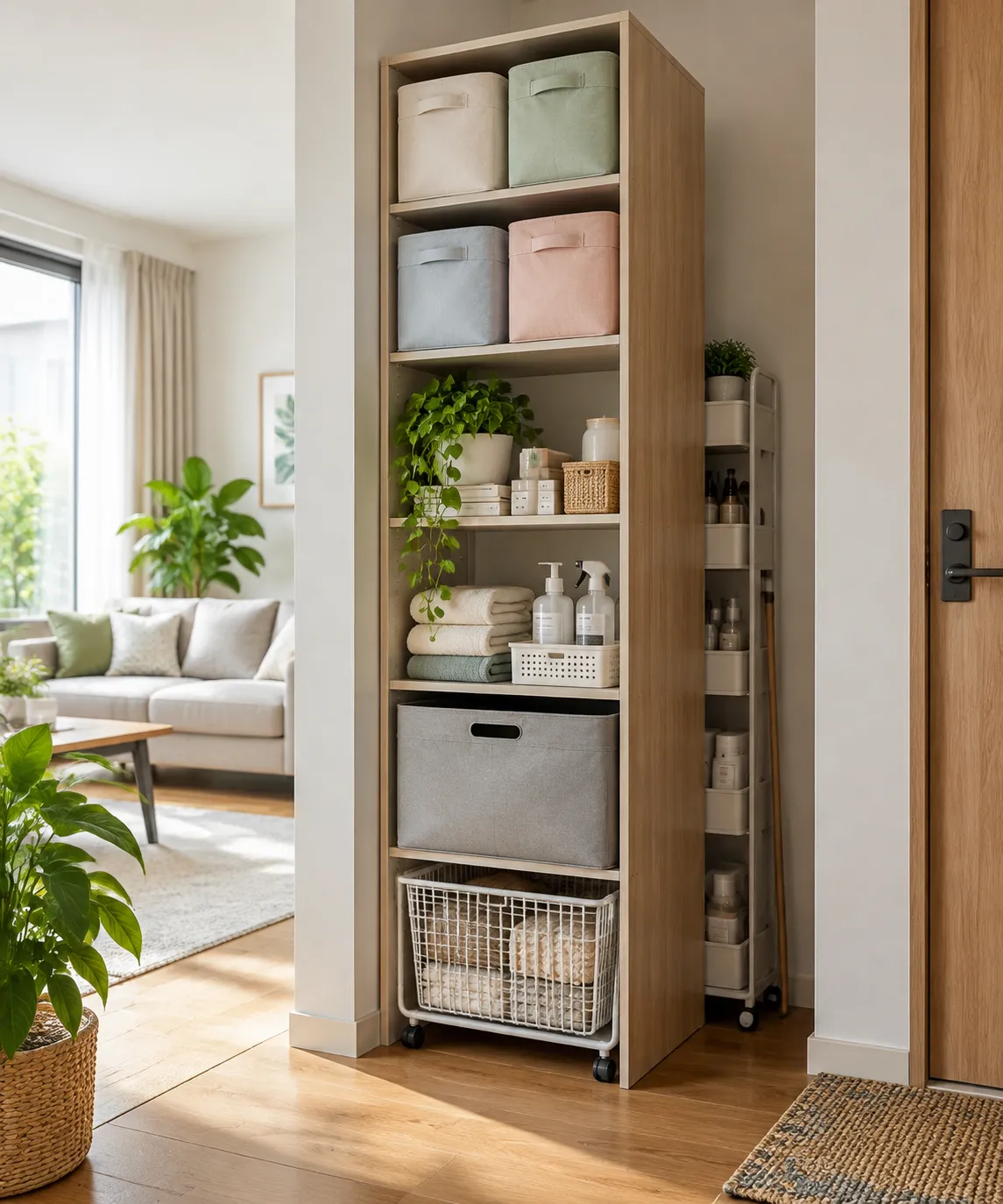
This is where the shoe example lives. Walls and the backs of doors are often completely unused. Hooks, racks and hanging organizers turn a flat surface into storage without taking up any floor.
High: above eye level
The space above a door, over a toilet, or at the top of a closet is usually empty or holds a jumble. Shelves up there are good for things you need rarely, which keeps everyday items within easy reach.
Work One Zone at a Time
BuzzFeed's roundup is aimed at general clutter, and the editorial notes around it suggest the same trouble spots come up again and again: closets, kitchens, bathrooms and tiny apartments. Rather than reorganizing the whole home, pick one.
- Empty it. Pull everything out so you can see what you actually own.
- Sort into three piles. Keep, relocate, and let go.
- Measure the empty space. Write down height, width and depth before shopping. This is the step that prevents returns.
- Buy for the gap, not the dream. Choose products that fit the measurements you took.
- Put daily items at hand height. Reserve the awkward spots for things you use rarely.
Decluttering Is Storage Too
The roundup is tagged with decluttering as well as storage, and that pairing is sensible. A new organizer can't create room if the space behind it is full of things you don't use. Letting go of even a few items often frees up more room than any product could. If you're unsure, set a box aside for a month. If you haven't opened it, you have your answer.
Keep It Renter-Friendly and Affordable
Storage content tends to resonate with people in apartments, and the same constraints apply to many homes: you may not be able to drill, and you probably don't want to spend much. Look for options that hang over doors, sit on shelves, or slide under furniture. They cost less than built-in solutions and come with you when you move.
Our take: the appeal of a roundup like BuzzFeed's isn't any single gadget. It's the reminder that a cluttered room is usually a layout problem you can solve with small, targeted changes.
Make It Look Good, Too
Storage you hate looking at tends to fail, because you stop using it. Matching containers, a limited color range, and labels on closed boxes keep a organized space from feeling like a warehouse. You're more likely to maintain a system that looks pleasant.
Your Next Step
Pick the one spot in your home that annoys you most, take a photo, and list what is on its floor. Move the first three items upward or onto a wall. That small change will show you whether you're truly out of space or just using the wrong part of it.