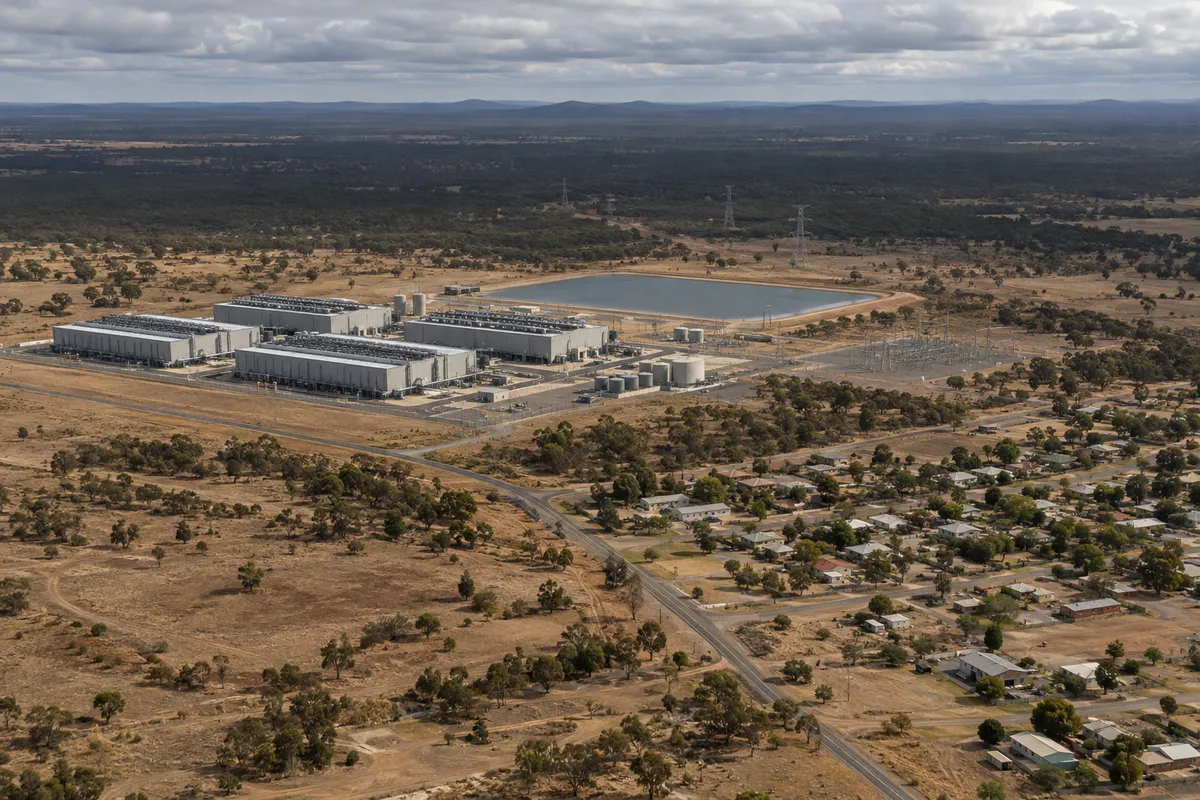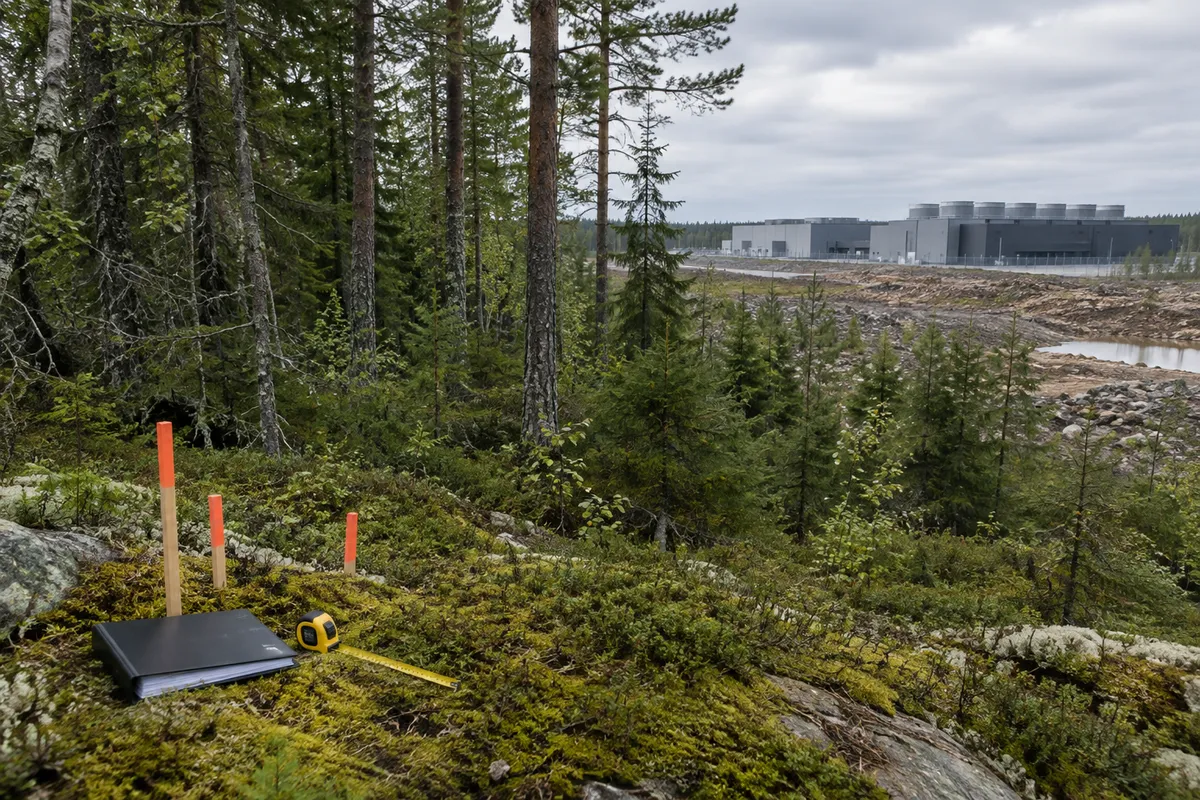
Google has been ordered to pause work on two data center sites in Finland after large areas of forest were cleared before the required environmental impact assessments were finished, according to a Guardian report published in early October. This piece explains what that kind of assessment is, why the order matters, and how you can read the next data center headline with sharper eyes.
The details of the Finnish case are limited to what the Guardian reported, so this article sticks to them. What it offers is a way to understand the tension behind them.
What happened in Finland
Per the Guardian, authorities ordered Google to halt work at two Finnish sites. The reason: forest had been cleared across large areas while the environmental impact assessments for those projects were not yet complete.
The Guardian frames the story as part of a bigger pattern. Demand for data center infrastructure is booming, and companies are moving faster than regulators and local municipalities can manage.
A pause is not a final verdict on the projects. It is a stop order, and what happens next depends on the assessment process and the authorities involved. The reporting we have does not say how long the halt will last.
What an environmental impact assessment actually is
An environmental impact assessment, often shortened to EIA, is a formal review of how a project could affect the surrounding environment. It is meant to happen before the work that causes the impact, not after.
Think of it like a structural survey before you knock down a wall. You can still decide to knock the wall down. But you find out first whether it's holding up the roof.
For a data center site, the questions an assessment can raise include:
- What habitat and wildlife live on the land?
- How much forest would be lost, and can any of it be spared?
- How will the project change local land use?
- What can be done to reduce the damage, or should the plan change?
The order of events is the whole point. Once a forest is cleared, the review can no longer influence that decision. That is why clearing land before an assessment is finished draws such a sharp response.
Why the forest part matters
We tend to picture the cloud as weightless. Search, streaming and AI chat feel like they happen nowhere in particular. The Finnish case is a reminder that they happen on real ground, and that ground sometimes used to be forest.
The Guardian ties this to the current rush in AI, cloud computing and digital services, which is making the physical footprint of tech infrastructure a bigger public issue. Land use and biodiversity sit alongside the more familiar worries about electricity.
My own read: the forest angle is easy to overlook because most coverage of tech's environmental cost focuses on power. Land is a quieter cost, and it can't be offset with a quick purchase of renewable energy.
The speed problem
The core tension in the report is pace. Building a data center is a race, and the companies doing it are under pressure to bring capacity online. Environmental review, local permitting and municipal planning move on slower timelines.
Smaller municipalities can feel this most. A local authority may have limited staff and experience, and then a very large project arrives on a tight schedule. The Guardian describes regulators and municipalities struggling to keep up with the speed of the buildout.
When the schedules clash, something gives. In this case, the stop order suggests that authorities decided the review had to catch up with the bulldozers rather than the other way round.
Climate promises versus construction reality
Big technology companies commonly make public commitments about sustainability. The Finnish case shows why those pledges deserve to be read alongside what is physically happening at construction sites. A company can have a strong climate narrative and still run into trouble over how a specific site was prepared.
That does not mean every promise is empty. It means a promise and a permit are different things, and only one of them is enforced by a regulator.
How to read the next data center story
You will see plenty more headlines like this as the infrastructure buildout continues. A few questions help you size up any of them:
- Was the assessment finished before work began? Timing is the key fact here.
- What was on the land? Forest, farmland and already-developed industrial sites carry very different trade-offs.
- Who is the decision-maker? A national regulator and a small municipality have very different capacity to push back.
- Is the action a pause or a rejection? A pause means the story is not over.
- What is being claimed, and by whom? Keep allegations, official orders and company statements separate.
What to do with this
You don't need to stop using cloud services to take something from this. Pay attention to where digital infrastructure gets built and whether the review came first. When the next announcement of a giant new facility arrives, look for the assessment, not just the promise.
The simplest habit to adopt: when you read about a new data center, ask whether anyone checked the land before the trees came down.